PRP Therapy in Richmond: Natural Skin Rejuvenation
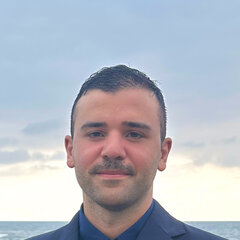
By Mr Xavier Chalhoub · Xavier On The Hill, Richmond
If the idea of using your own body's healing power to rejuvenate your skin appeals to you, PRP therapy is worth understanding. Platelet Rich Plasma has been used in medicine for decades — in orthopaedics, wound healing, and sports medicine — and it's now one of the most exciting treatments in aesthetic medicine. Here's how it works, what it can treat, and what to expect at Xavier On The Hill in Richmond.
What Is PRP Therapy?
PRP stands for Platelet Rich Plasma. The treatment begins with a small blood draw — similar to a routine blood test. This sample is then placed in a centrifuge, which spins it at high speed to separate the blood into its different components. The platelet-rich layer is extracted and concentrated, creating a golden serum packed with growth factors.
These growth factors are proteins that your body naturally produces to repair tissue, stimulate cell renewal, and promote collagen production. By concentrating them and reintroducing them into specific areas of the skin, PRP essentially supercharges your body's own regenerative processes.
There are no synthetic chemicals, no foreign substances, and no risk of allergic reaction — because the treatment uses nothing but your own biology.
What Can PRP Treat?
PRP is remarkably versatile. At Xavier On The Hill, we use it to address a range of skin concerns:
Dull, tired-looking skin. If your skin has lost its vitality — that healthy glow it once had — PRP can reignite the regeneration processes that slow down with age. Many patients notice a visible improvement in radiance within the first few weeks.
Fine lines and wrinkles. PRP stimulates new collagen production, which gradually plumps and firms the skin from within. It's particularly effective for the fine, crepey lines that come from skin texture rather than muscle movement.
Under-eye dark circles and hollowing. The delicate skin under the eyes is one of the first areas to show signs of ageing and fatigue. PRP can improve skin thickness and quality in this area, reducing the appearance of dark circles and tired-looking eyes.
Acne scarring. The growth factors in PRP promote tissue remodelling, which can gradually improve the appearance of acne scars — particularly when combined with micro-needling to enhance penetration.
Hair thinning. PRP injected into the scalp can stimulate dormant hair follicles and improve hair density. This is a growing area of PRP application with promising clinical evidence.
General skin rejuvenation. Even if you don't have a specific concern, PRP can be used as a preventative treatment to maintain skin quality and slow the visible signs of ageing. Think of it as a deep service for your skin.
Why Choose PRP?
PRP occupies a unique space in aesthetic medicine. Unlike fillers, which add volume, PRP works by enhancing what your body already does naturally. This makes it appealing for several reasons.
It's completely natural. The treatment uses nothing but your own blood — no synthetic chemicals, no foreign substances. For patients who prefer a more natural approach to skin care, PRP aligns perfectly with that philosophy.
The results look natural too. Because PRP stimulates gradual biological processes rather than making an immediate structural change, the improvement appears over weeks and months. People notice you look well, rested, and healthy — not "treated."
It complements other treatments beautifully. PRP works exceptionally well alongside Profhilo (both stimulate collagen, through different mechanisms), and micro-needling (PRP enhances the regenerative response triggered by micro-needling).
There's minimal downtime. Some redness and mild swelling on the day of treatment is normal, but most patients return to their routine the following day.
The Treatment Process
Here's exactly what happens during a PRP session at Xavier On The Hill:
Blood draw. A small amount of blood is taken from your arm — typically around 10–20ml, similar to a standard blood test. This takes a couple of minutes.
Processing. The blood sample is placed in a centrifuge and spun for approximately ten minutes. This separates the red blood cells, white blood cells, and platelet-rich plasma. The concentrated PRP — a golden-coloured serum — is extracted.
Application. Depending on the area being treated and the concern being addressed, PRP is either injected directly into the skin using fine needles, or applied topically in combination with micro-needling. Mr Chalhoub will recommend the most appropriate technique during your consultation.
Duration. The entire appointment — from blood draw to completion — takes approximately forty-five minutes to one hour.
Aftercare. You may experience some redness, mild swelling, or tiny bruises at the injection sites. These typically resolve within twenty-four to forty-eight hours. We recommend avoiding makeup on the treated area for twelve hours, staying out of direct sun for a few days, and avoiding vigorous exercise for twenty-four hours.
Results and Recommended Course
PRP works with your biology, which means the results are gradual rather than instant. Here's the typical timeline:
First few days: An initial glow is often visible as the growth factors begin working. Some patients describe their skin as looking fresher and more hydrated almost immediately.
Two to four weeks: Collagen production begins to increase. Skin texture starts to improve, and fine lines may begin to soften.
Six to twelve weeks: Full results become apparent. Skin looks firmer, smoother, and more radiant. Acne scars, if treated, show progressive improvement.
For optimal results, we recommend a course of three sessions spaced four to six weeks apart. After the initial course, maintenance sessions every six to twelve months help sustain the improvement. Some patients choose to combine PRP with their regular Profhilo appointments for a comprehensive skin maintenance routine.
How Much Does PRP Cost in Richmond?
At Xavier On The Hill, PRP therapy starts from £300 per session. A course of three sessions can be discussed during your consultation, and we can create a treatment plan that works with your budget and goals.
As with all our treatments, the price includes a complimentary consultation and a follow-up appointment to assess your results.
Is PRP Right for You?
PRP is suitable for most adults who want to improve their skin quality naturally. It's particularly well-suited to patients who prefer treatments using their own biology rather than synthetic products, those looking for gradual and natural-looking improvement, people concerned about skin texture and quality rather than specific wrinkles, patients who want to complement other treatments like Profhilo or fillers, and anyone interested in preventative skin maintenance.
PRP is not suitable during pregnancy or breastfeeding, for patients with blood disorders or those taking blood-thinning medications, or for those with active skin infections in the treatment area. These considerations will be discussed during your consultation.
Book Your Free Consultation
Curious about whether PRP is right for your skin? The best starting point is a face-to-face consultation where Mr Chalhoub can assess your skin, discuss your concerns, and recommend the most effective approach — whether that's PRP alone, or in combination with other treatments.
Consultations at Xavier On The Hill are always complimentary and no-obligation.
Book Your Free Consultation
Every journey at Xavier On The Hill begins with a complimentary, no-obligation consultation.
Book Now